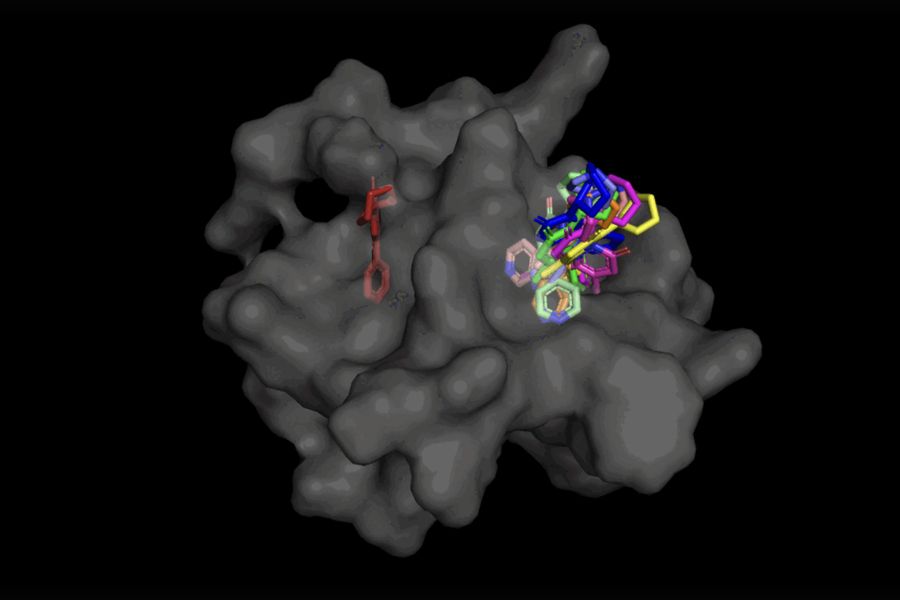
A research group at the Massachusetts Institute of Technology released a machine-learning model designed to accelerate the early stages of drug discovery. The work targets the candidate-screening funnel — the bottleneck where pharmaceutical teams sift through enormous molecular search spaces looking for compounds worth taking into wet-lab validation.
Traditional discovery pipelines are slow and expensive because most candidates fail late. The MIT model aims to narrow that funnel earlier by predicting which molecules are worth synthesising in the first place, shifting cost out of the lab and into compute.
This sits in the operationally credible band of generative AI for life sciences: not curing diseases on demand, but reducing the number of dead-end candidates that ever reach a chemist’s bench. It is the same pattern we see across the discovery, imaging-augmentation, and manufacturing-QC applications that actually ship inside the regulatory envelope. See our generative AI practice for the broader picture.
Credits: MIT.
For the broader picture of where generative AI already works in pharma — and where it is still research — see Generative AI: Pharma’s Drug Discovery Revolution. For the model-design side of this question, Generative models in drug discovery covers how de novo design tools integrate with classical pipelines.