Platform consolidation is accelerating — but complexity is not disappearing
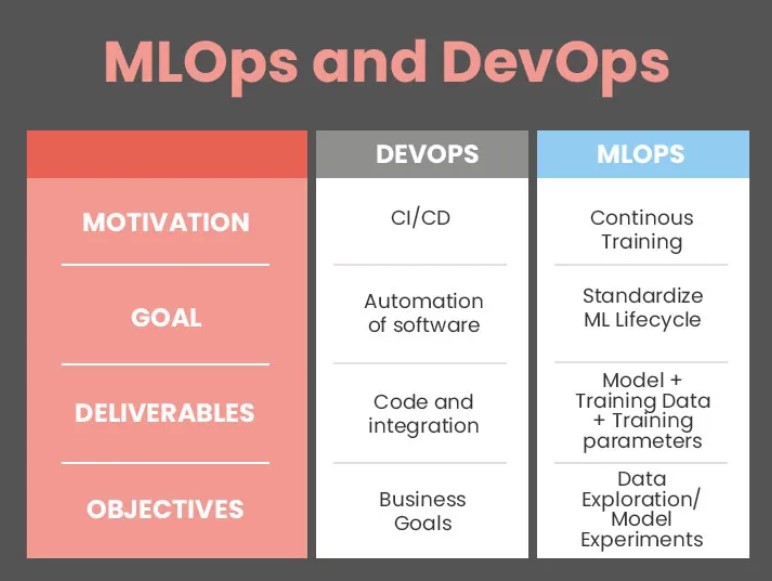
Platform consolidation has reshaped MLOps tooling significantly since 2024. The era of assembling 8–12 standalone tools into a custom pipeline — experiment tracking here, model registry there, feature store somewhere else — is giving way to integrated platforms that bundle these capabilities into unified offerings. Databricks, AWS SageMaker, Google Vertex AI, and a growing roster of startups now ship end-to-end MLOps as a single product.
This consolidation reduces one class of engineering pain (integration and glue code between tools) while creating another: the operational complexity shifts from tool integration to platform configuration, permission management, and governance policy enforcement. Teams that built custom pipelines at least understood every component. Teams adopting integrated platforms inherit assumptions about workflow structure, data lineage, and model promotion that may not match their actual process.
What is actually consolidating
| Layer | 2024 pattern | 2026 pattern |
|---|---|---|
| Experiment tracking | Standalone (MLflow, W&B, Neptune) | Embedded in platform or W&B as orchestrator |
| Feature store | Separate product (Feast, Tecton) | Platform-native feature management |
| Model registry | Standalone or ad-hoc | Standard platform capability |
| CI/CD for models | Custom scripts + Jenkins/GitHub Actions | Platform-native promotion pipelines |
| Monitoring & drift | Bolt-on (Evidently, WhyLabs) | Increasingly bundled, but shallow |
Monitoring remains the layer most resistant to vendor consolidation. Most integrated platforms offer basic drift detection, but production-grade observability — the kind that catches silent model degradation before business metrics move — still requires dedicated tooling or significant custom work.
What this means for engineering teams
Consolidation in MLOps platforms shifts required engineering skills rather than eliminating them. Teams that previously spent significant effort on pipeline plumbing now spend equivalent effort on platform configuration, access control policy, and workflow governance. In our experience the complexity budget stays roughly constant across these migrations; only its shape changes.
A common failure pattern we observe — underestimating integration effort — has a new variant: underestimating platform configuration effort. The demo works in 30 minutes. Production-grade setup with proper data governance, model approval workflows, and environment isolation takes weeks. For teams choosing between platforms, the framing in MLOps tools stack selection holds: the question is not “which platform has the most features” but “which platform’s assumptions about workflow structure match our actual process — and where will we fight the platform?” Working through that framing with a client is core to our MLOps consulting services.