


ASIL Automotive Safety Integrity Level: What It Means for Perception Evidence
How the ASIL automotive safety integrity level is assigned from severity, exposure and controllability, what it demands of perception evidence and where…
Perception evidence your validation team can read, re-run and challenge: scenarios, sensor timing and safety-case inputs.

A perception model that scores well on a benchmark can still fail on the road. The rain scenario was never in the test set, sensor timestamps drift at highway speed, or a software update ships without a regression gate. Each failure gets fixed once and returns later.
The fix is engineering evidence around the model, not a different model. We work with perception, validation and safety teams on civilian vehicle programmes and the automotive supply chain.

Where we help
Scenarios
Which situations must be covered, and does the model hold in them?
Timing
Calibration and time synchronisation that fusion can rely on.
Safety
Inputs your safety case can use, and an audit trail behind them.
Scenarios
Before a perception model is released, you need to show which lane, weather, lighting and traffic situations it has been tested in, and why those are enough for the operating domain. We help turn fleet logs and near-misses into prioritised scenarios, gate test slots on whether they conform to the operating domain, and set up simulation and replay that confirm a fix stays fixed.
Scenario evidence, in depth
Sensor timing
Sensor fusion is only as good as the clocks and calibration beneath it. A timing spike on one bus can look like a perception fault, and a calibration that went stale looks like a model fault. We work on finding where the jitter comes from, setting a defensible timing budget, and keeping calibration honest with staleness checks that run without anyone remembering to.
Timing and calibration, in depth
Safety evidence
Functional-safety and SOTIF work asks for evidence an assessor can follow: a defined item, a hazard analysis, scenarios tied to safety goals, and a record of what was tested and what passed. We help perception teams produce that evidence in a form the safety roles can read and challenge. The safety case itself, and its approval, stay with them.
Safety-case inputs, in depth
Further reading
Our articles on safety integrity levels, what a robustness audit covers, and moving perception models onto embedded hardware.
How the ASIL automotive safety integrity level is assigned from severity, exposure and controllability, what it demands of perception evidence and where…
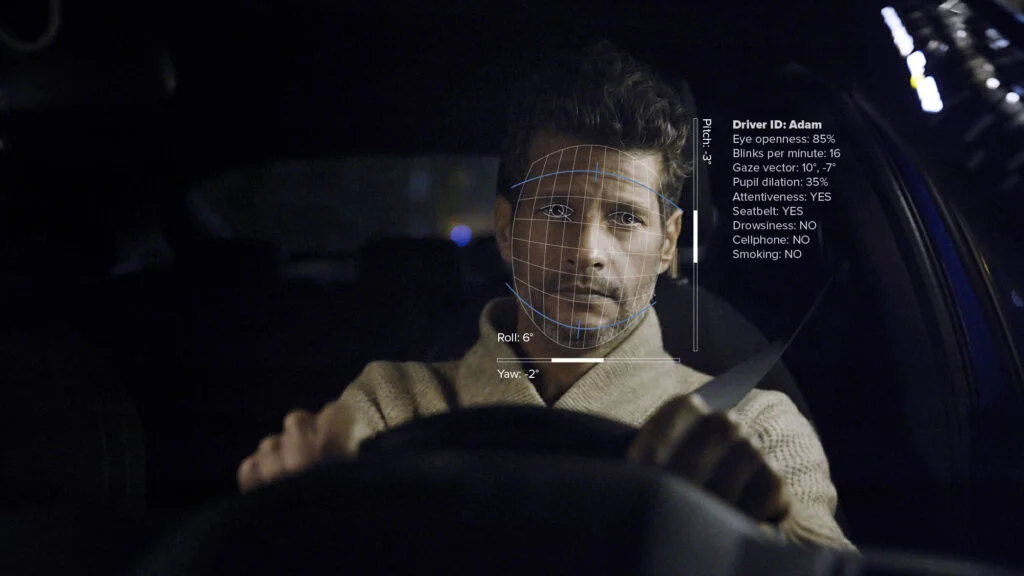
Automotive edge AI in the car and on the line: what latency, power and INT8 portability limit, and what to check before trusting a perception model.
What edge cases a perception robustness audit actually covers: weather, lighting, rare classes, occlusion and mounting slices, sample gates and recorded…

Model quantization to INT8 for embedded accelerators: per-class metrics, layer sensitivity, PTQ vs QAT, calibration design and on-target re-validation.

TechnoLynx's skill in low-level software development was impressive. TechnoLynx was able to create four prototypes with common components and an interface for easy maintenance. The client was extremely happy with the solution's speed. Moreover, their communication was seamless and straightforward.

TechnoLynx's unique aspect is that they're able to transform complex theories into practicable and applicable results. TechnoLynx provides research reports and architecture planning documents. The team is able to transform complex theories into practicable and applicable results. TechnoLynx's project management is strong and delivers work on time without hardware issues, being responsive through virtual meetings.
We had high-efficiency meetings. TechnoLynx’s work resulted in a successful breakthrough, and their input improved the client’s app. Their flexible and organised project management cultivated a healthy collaboration experience. Ultimately, their professionalism and commitment were impressive.
Testimonial 1 of 3
The ones your operating domain makes reachable, taxonomy first: lane markings, weather, lighting and occlusion, each tied to the hazard it exercises. We build the scenario set and coverage evidence with your team, through Production AI Reliability. Read more: Building a Defensible Scenario Taxonomy and Safety Case.
Usually yes: we trace timestamps across the bus, grandmaster and fusion stages to isolate the source, then set a jitter budget the fusion can live with. The timing checks stay with your team to re-run. Read more: PTP Time Sync Jitter at Highway Speed in Sensor Fusion.
Yes. We replay the logged event through the old and patched pipelines and compare the outputs, then keep the case in your regression suite so it cannot return unseen. Read more: Proving Sensor Fusion and Alerting Fixes With Logged-Data Replay.
That is the assessor's call, but they read evidence that is traceable: scenarios, results, limits and decisions linked to the hazards. We structure our outputs so your safety team can place them in the case. Read more: Building an ADAS Validation Evidence Package for Safety Sign-off.
Start where the decision is closest. If a perception model is heading for a release gate, Production AI Reliability covers the scenario evidence and robustness checks. If a model is already running and you need to keep it honest across software and hardware changes, the Production AI Monitoring Harness is the entry point. If you are not sure, tell us about the programme and we will route you.
How we work with automotive teams
An engagement has a fixed scope and ends in something your team keeps and can re-run. We work alongside your safety, validation and test functions; we do not substitute for them.
Lands in the Production AI Monitoring Harness: 4–10 weeks, milestone or fixed-price.
Heading into a release gate, a sensor change or an assessor review? Tell us the programme and we will route you to the right starting point.

Related
Neighbouring technologies, packs and industries that come up on the same programmes.