
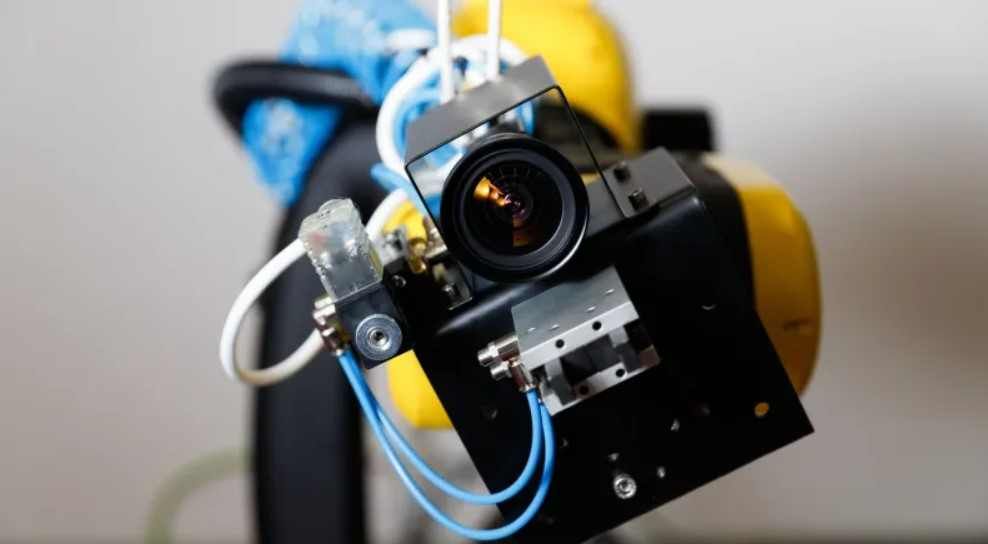
Computer Vision for Quality Control
Nov 16, 2023
A short note on how computer vision augments human inspectors in manufacturing QC — and why the framing matters before choosing a system.
Read moreIndustrial CV inspection validation and civilian-vehicle perception evidence: no autonomous targeting, no defence work.

Manufacturing inspection and automotive perception share an evidence shape: a model that scores well in lab evaluation can still fail on the production line or the open road because the slice that breaks it was never in the training set, the eval harness never saw the new defect class, and the regression gate was missing when the model was swapped. The fix is engineering evidence around the model, not the model itself. We work on civilian transport and production-manufacturing inspection only.


Where the Engineering Bottleneck Lives
On the line, an industrial CV inspection deployment hits a defect class the original eval set never covered, a slice-level regression production monitoring is not catching, or a release-gate question after a model swap.
In the vehicle, a civilian perception programme (ADAS, fleet perception, test infrastructure) needs engineering validation evidence on a perception model or sub-component that the safety and validation roles you already have can read and challenge. Not certification, not safety-case authorship: the engineering evidence those roles use to do that work.
Where We Engage
Industrial inspection and civilian-vehicle perception are different application surfaces with the same failure shape, so both run through one fixed-scope engagement that ends in an eval harness and runbook your team keeps.

Industrial CV Inspection
Reliability
Eval harness with defect-class slice cuts, regression against historical defects, release gating, and a runbook the line team reruns.

Civilian-Vehicle Perception
Reliability
Engineering-evidence inputs for perception models: eval harnesses, edge-case regression, open-road-distribution monitoring.
Industrial CV Inspection
Quality-control deployments fail in a specific way: headline accuracy on the original eval set is fine, but a new product variant, defect mode, lighting condition, or model swap pulls slice-level performance off-target without surfacing in monitoring. We build the eval harness with the slice cuts the operations team cares about, regression suites against historical defect cases, gating that holds release until those cuts are within tolerance, and a runbook the line team can rerun.
Lands in the Production AI Monitoring Harness: 4–10 weeks, milestone or fixed-price.

Automotive Perception (Civilian Vehicles)
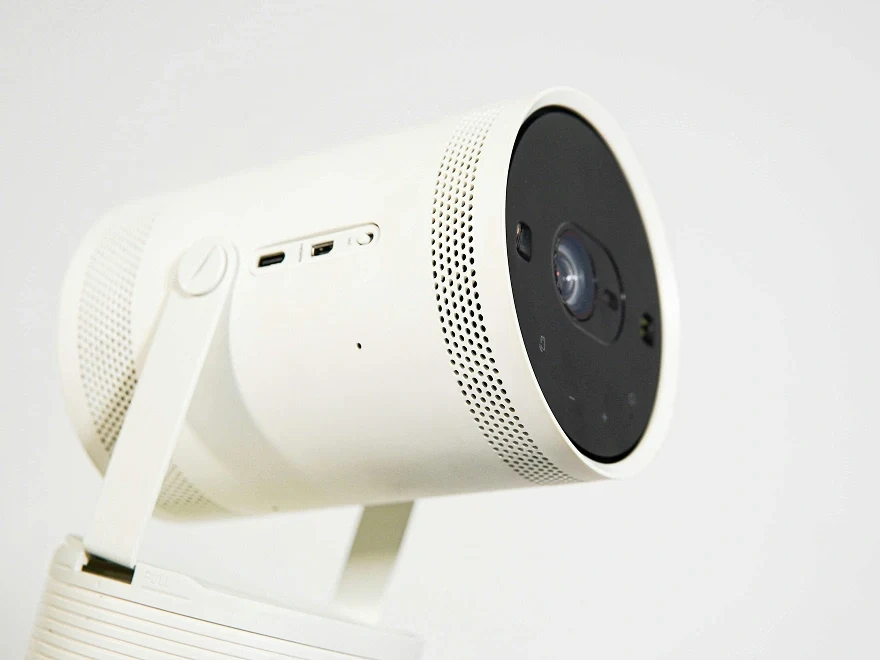
Civilian-vehicle perception (ADAS, driver assistance, fleet perception, test infrastructure) sits at the engineering-evidence end of the safety case, not the sign-off end. We build eval harnesses on the slices your safety team flags, regression suites against historical edge cases, slice-level monitoring that reflects the open-road distribution, and structured comparison of perception sub-components. We do not author safety cases or certify against functional-safety standards; the evidence is the input the safety roles you already have use.
Lands in the Production AI Monitoring Harness: 4–10 weeks, milestone or fixed-price.
Production computer-vision engineering, from quality-control inspection to civilian-vehicle perception.
Nov 16, 2023
A short note on how computer vision augments human inspectors in manufacturing QC — and why the framing matters before choosing a system.
Read more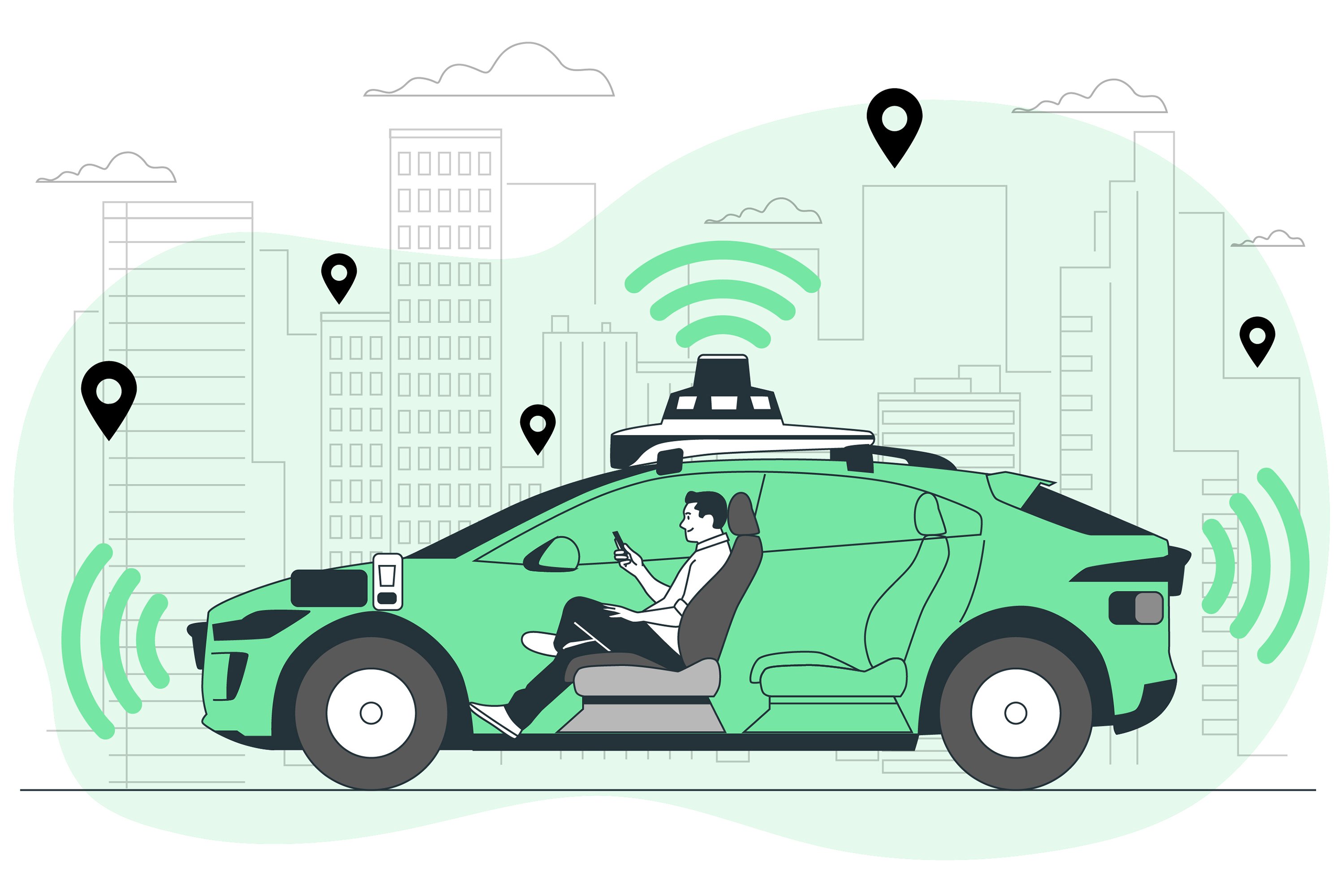
Apr 22, 2025
How production computer vision stacks in autonomous vehicles handle perception, fusion, and latency — by sub-system, not by buzzword.
Read moreVision systems for QC, industrial anomaly detection, and what ASIL means for automotive perception validation.
May 10, 2026
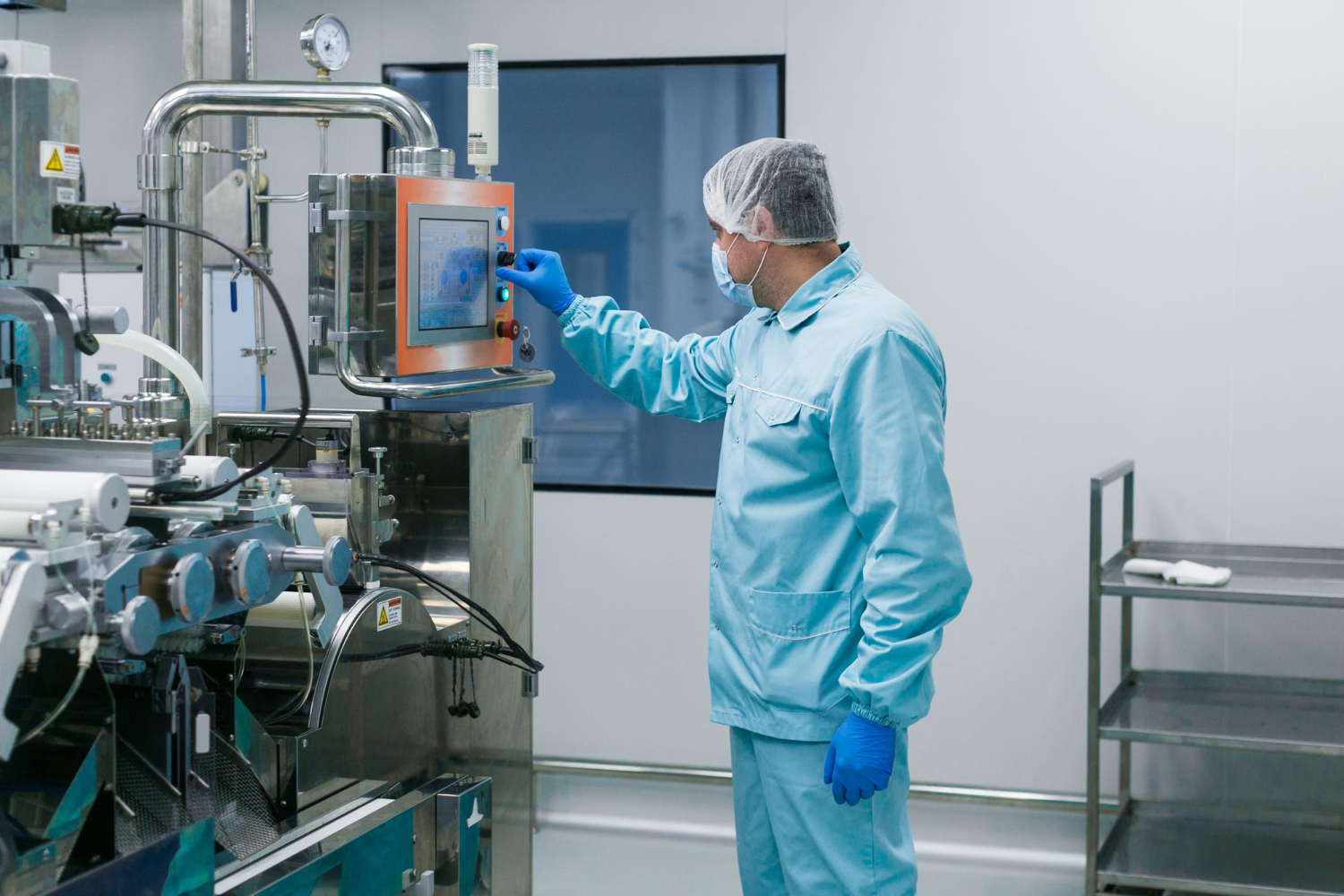
Industrial vision systems for manufacturing QC: inline vs offline inspection, line-scan vs area cameras, PLC integration, and realistic reject rates.
Read more
Jun 12, 2026
How anomaly detection machine learning actually works in industrial and energy operations
Read more
Jun 12, 2026
ASIL is not a label you cite on a cover sheet. It is an integrity demand that dictates the fault, degradation, and rollback evidence you must show.
Read more
TechnoLynx delivered the project on time and provided quality outputs that met the client's expectations. The team was proactive in providing ideas and suggestions, and they were careful at properly planning the tasks. The client also praised the team's expertise in GPU programming and AI.

TechnoLynx's skill in low-level software development was impressive. TechnoLynx was able to create four prototypes with common components and an interface for easy maintenance. The client was extremely happy with the solution's speed. Moreover, their communication was seamless and straightforward.

TechnoLynx's unique aspect is that they're able to transform complex theories into practicable and applicable results. TechnoLynx provides research reports and architecture planning documents. The team is able to transform complex theories into practicable and applicable results. TechnoLynx's project management is strong and delivers work on time without hardware issues, being responsive through virtual meetings.
I’m delighted with our collaboration with their team. Thanks to TechnoLynx's work, the client has been able to co-author two patents. They lead responsive project management to solve problems quickly. The team also praises their skilled and knowledgeable team.
We had high-efficiency meetings. TechnoLynx’s work resulted in a successful breakthrough, and their input improved the client’s app. Their flexible and organised project management cultivated a healthy collaboration experience. Ultimately, their professionalism and commitment were impressive.
Headline accuracy on the original eval set is rarely the problem. We build the eval harness with the slice cuts operations actually care about (by product variant, defect mode, and lighting condition), run regression suites against historical defect cases, gate release until those cuts are within tolerance, and hand over a runbook the line team can rerun.
A new product variant, a new defect mode, a lighting change, or a model swap pulls slice-level performance off-target without the regression surfacing in production monitoring. The eval harness is built with the slice cuts that expose exactly these conditions before a release ships.
Engineering evidence: eval harnesses on the slices your safety team flags, regression suites against historical edge cases, slice-level monitoring that reflects the open-road distribution of the workload, and structured comparison of perception sub-components. It is the input the safety and validation roles you already have use, not certification.
No. We produce engineering-evidence inputs only. We do not author safety cases, certify perception systems, or sign anything off against ISO 26262, ISO 21448 (SOTIF), UN R157, or any other functional-safety standard; the evidence is what the safety roles you already have use to do that work.
Yes. The eval harness and runbook ship with the engagement, so the line or validation team re-runs the slice cuts and regression suite after a model swap or a process change without us being on payroll. That re-runnable harness is the deliverable the pack is built around.
How We Work With Manufacturing & Automotive Teams
The Production AI Monitoring Harness has a fixed scope and a price tied to the outcome, and ends in something your team keeps and can re-run: the eval harness, the re-run script, the slice-level monitoring dashboard. We work alongside your safety, validation, and quality functions; we do not substitute for them, and we do not author safety cases or certify perception systems.
Heading into a line-release gate, a perception-validation review, or a production rollout? The Production AI Monitoring Harness page is the entry point, or contact us and we will route you.
