Computer Vision Advancing Modern Clinical Trials

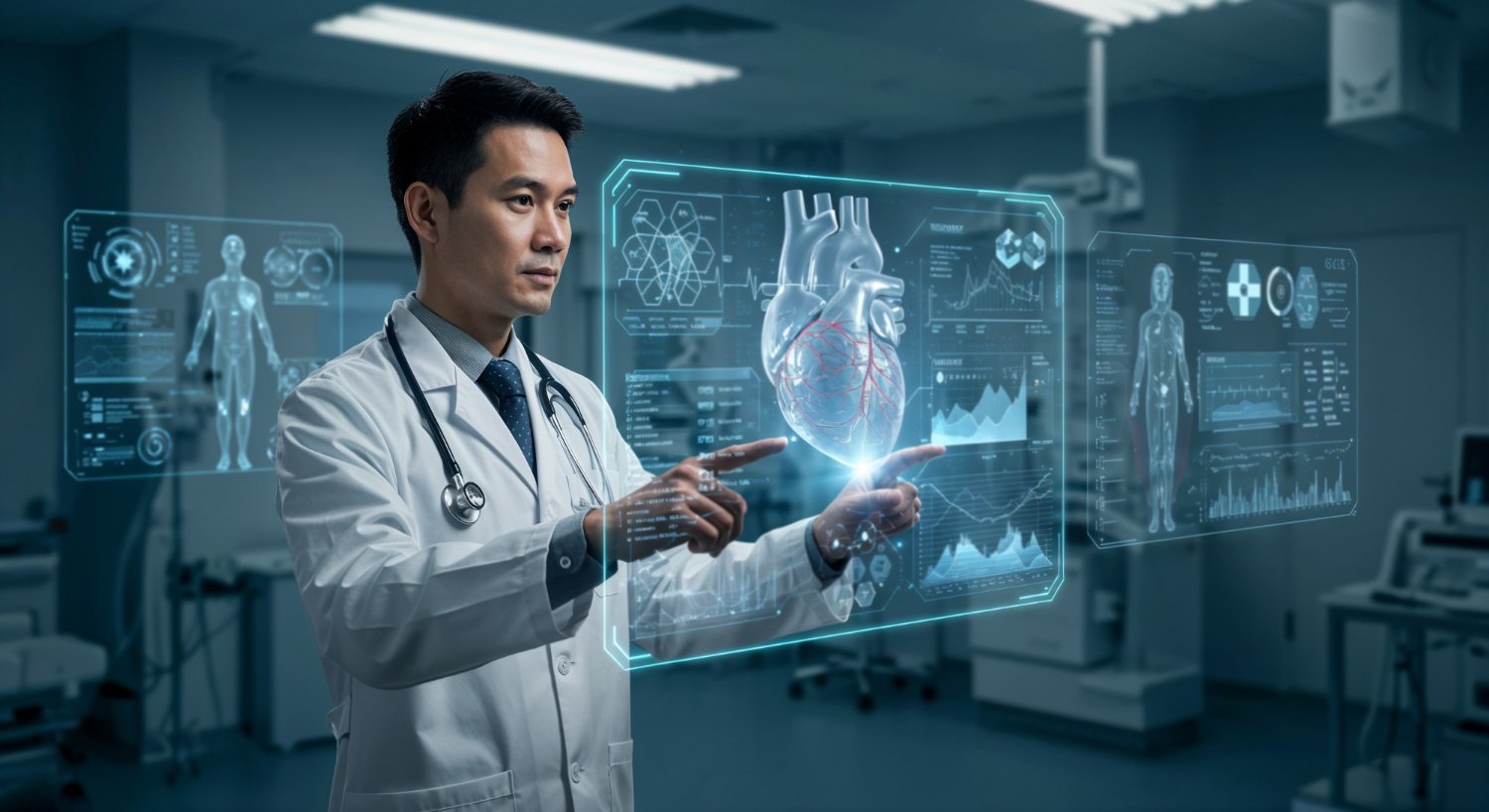
Computer vision improves clinical trials by automating imaging workflows, speeding document capture with OCR, and guiding teams with real-time insights from images and videos.

Computer Vision Advancing Modern Clinical Trials
Written by TechnoLynx Published on 19 Dec 2025

Introduction

Clinical trials need speed, accuracy, and trust. Teams collect digital images, scan documents, and track devices across many sites. Human teams work hard, but manual steps slow progress and raise costs. Computer vision systems change this picture. They read images and videos in real time. They spot specific objects with high accuracy. They cut errors and help teams move faster.

AI drives this shift. Artificial intelligence (AI) brings deep learning models and smart rules into daily trial work. Computer vision technologies turn pixels into reliable facts. A computer vision algorithm can classify objects, detect changes, and support decisions without delay. Trials gain a cleaner flow and better outcomes for patients and sponsors.

What Computer Vision Means for Trials

Computer vision in healthcare once focused on medical imaging alone. That scope now widens. Teams use images or videos from scanners, phones, and site cameras. Systems follow study kits, watch lab workflows, and check visit rooms for safety steps. Computers spot missing labels and wrong codes. Staff act quickly and fix issues before they affect data quality.

This work reaches every stage of the process. Sites record visits. Labs prepare samples. Sponsors review evidence. Computer vision systems guide each step and push clear alerts in real time. Teams cut rework and keep protocols tight.

How Computer Vision Workflows Operate

Computer vision work starts with image processing. Systems clean frames, adjust light, and remove noise. Deep learning models then read the content. Convolutional neural networks (CNNs) find edges, textures, and shapes. They focus on patterns that matter for the study. They run on GPUs and respond without delay.

Object detection adds more detail. Models draw boxes around specific objects and track them across frames. Staff can follow kits, devices, and paperwork as they move through a site. Classifying objects gives each item a clear label. Teams match labels to a visit schedule or shipment plan. The trial stays organised and on time.


Read more: Visual analytic intelligence of neural networks

Core Technologies in Clinical Settings

Deep learning models sit at the centre. CNNs learn from large sets of digital images. They keep improving as the dataset grows. Teams feed the model with images and videos from scanners and site cameras. The system returns clean outputs that staff can trust.

A computer vision algorithm often runs beside other tools. It can pair with an NLP pipeline for text notes. It can send signals to rules that check protocol steps. It can share data with dashboards and trial databases. The whole stack keeps trial teams aligned and fast.

Medical Imaging: Accuracy and Speed

Medical imaging drives many endpoints. Teams work with MRI, CT, and ultrasound. Convolutional neural networks cnns can measure lesions and track change over time. They find subtle patterns that human teams may miss during busy days. Sites gain stronger consistency. Sponsors gain results that meet endpoint rules.

Image processing matters here. Systems clean scans, align frames, and remove artefacts. Models then read regions and mark changes. Staff see clear overlays and numbers. They act on facts, not guesses. Trials gain accuracy without slowing down.

OCR for Trial Documents

Sites handle a large set of forms. Staff scan consent pages, lab notes, and shipment slips. Optical character recognition ocr reads these scans and turns them into text. Teams search and sort the text with ease. OCR removes manual typing and reduces errors. Systems find dates, subject IDs, and batch numbers without delay.

OCR works on digital images from phones and scanners. It copes with shadows and folds through smart image processing steps. Teams set rules for fields and flags. The pipeline spots missing entries and sends alerts. Coordinators fix issues before data lock.


Read more: Mimicking Human Vision: Rethinking Computer Vision Systems

Participant Safety and Identity Checks

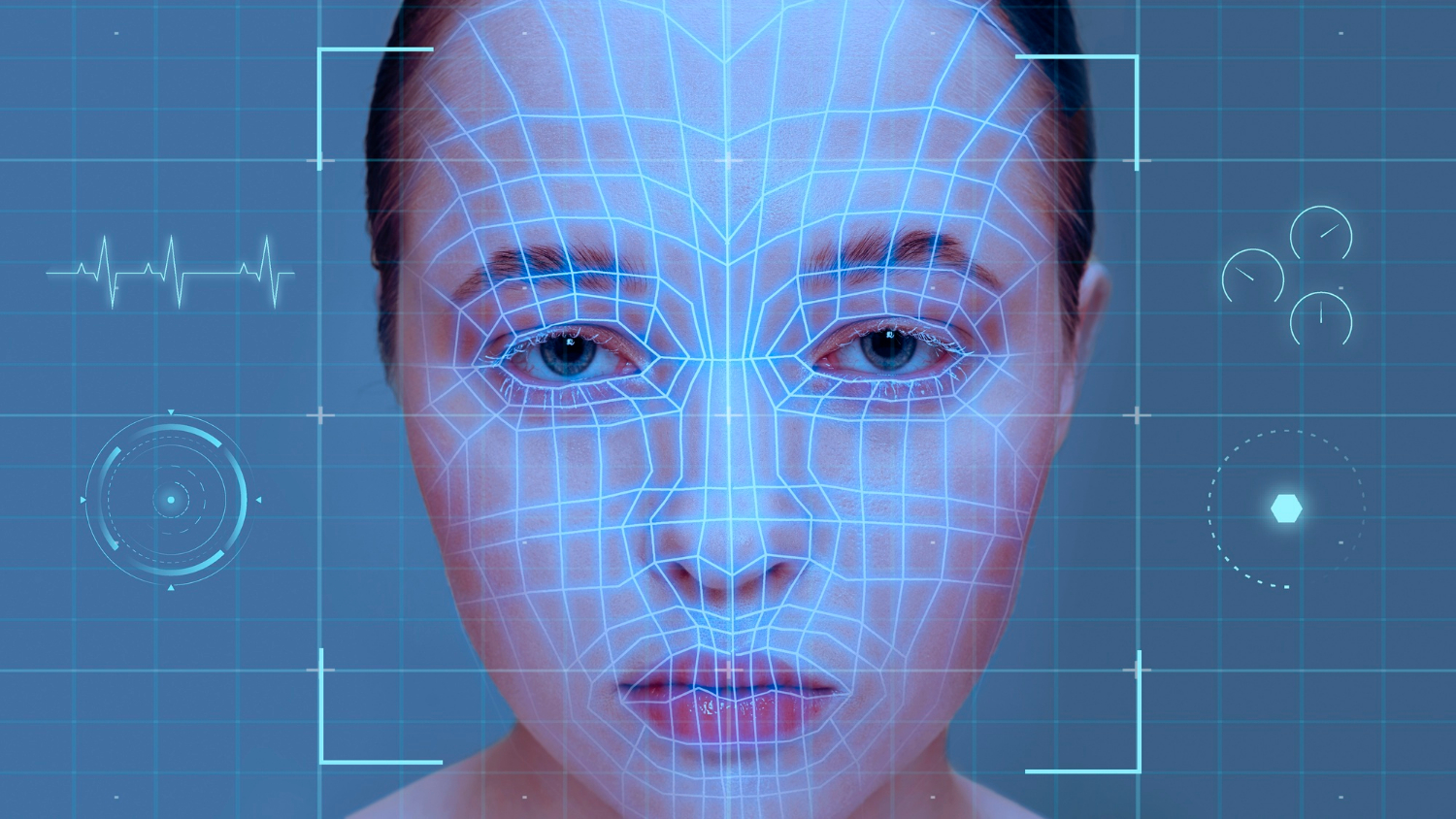
Facial recognition can support identity checks when local rules allow it. Sites capture images at each visit and confirm the right subject record. Staff keep human control at all times. The system gives a quick suggestion. The coordinator makes the call. Teams apply strict consent and privacy rules.

This approach cuts mix-ups and protects data quality. It also speeds visit logging. Staff spend less time on manual checks and more time with the participant.

Inventory Management and Site Logistics

Trial kits, labels, and devices move across many rooms. Computer vision systems track them with object detection. Cameras watch shelves and packing areas. Models count items and compare the count to shipment data. Teams see stock levels in real time. They spot missing boxes before a visit day.

This work flows into inventory management dashboards. Staff plan orders and avoid delays. Sites cut waste and keep visits on schedule. Trials gain a smoother rhythm and fewer surprises.

From Cars to Clinics: A Broad Heritage

The history of computer vision spans many fields. Early teams studied shapes and edges in simple scenes. Later groups trained models for facial recognition and object detection in crowded streets. Industry teams used vision for driving cars, reading traffic signs, and tracking lanes.

Retail teams used it for shelf checks and stock counts. Now clinical trials benefit from the same ideas. Robust tools move from open roads and shops into clinical rooms and labs.

This broad past helps teams trust the tech. Computer vision technologies matured over years of testing. Clinical teams now apply those lessons to strict protocols and high-stakes care.


Read more: Modern Biotech Labs: Automation, AI and Data

Data, Labels, and Model Health

Trials depend on clean datasets. Teams record images and videos with set light, angle, and resolution. Staff label frames with care. They follow clear rules for each class and attribute. Good labels keep deep learning models honest.

Teams also watch model drift. Sites change rooms, devices, and staff. The data shifts. Coordinators track outputs and retrain when needed. They keep a tight loop between inputs and outputs. The model stays strong and precise.

Real-Time Monitoring Across Sites

Computer vision systems shine when speed matters. Staff run cameras in visit rooms and labs. Models watch workflows in real time. They warn teams about missing steps. They check PPE, device settings, and room setup. Coordinators respond on the spot and keep protocols tight.

Sponsors also gain live oversight. They watch aggregate signals from many sites. They spot risk early and send support. Trials move with confidence rather than constant catch‑up.

Ethics, Privacy, and Human Control

Clinical trials carry strict rules. Teams protect privacy and keep human control. Staff inform participants and collect consent. They store images with care and follow access rules. They keep audit trails for each change. AI augments staff duties. Humans lead each step.

Coordinators also watch for bias. They check outputs across age groups, skin tones, and device types. They adjust datasets and retrain models to keep fair results. Clear governance turns computer vision into a safe daily tool.


Read more: AI Computer Vision in Biomedical Applications

Digital Images in Site Training

Teams train new staff with digital images from past visits. Coordinators show good and bad examples. They use images and videos to teach correct lab steps and room setups. Staff learn faster with visual cues. Sites cut errors and build confidence.

Models also help with skills checks. Trainers run object detection on practice sessions. They measure accuracy for classifying objects and selecting specific objects in time. Staff see instant scores and improve without delay.

Why Trials Need Clear Outputs

Busy teams need clean outputs and simple dashboards. Computer vision systems should return numbers, labels, and short notes. Plots must show trends and counts. Staff should read the result and act. Fancy graphics slow the message. Clear views win.

This approach supports strong execution. Sites run the same rules each day. Sponsors trust the aggregates. Auditors see the logic and the record for each step.

Computing Choices and Site Reality

Teams pick tools that match site reality. Some rooms need edge devices with light compute and quick action. Other rooms send frames to a central server. A few sites push images to a cloud with strict encryption. Each option can work if the team keeps latency and privacy in mind.

Staff also watch camera placement and light. They pick angles that show the right field. They test before go‑live. They keep a checklist and fix drifts. Simple steps keep the model strong.


Read more: Automated Visual Inspection Systems in Pharma

A Short View on the Past

The history of computer vision shows constant progress. Early researchers wrote rules by hand. Later teams trained models on large datasets. Deep learning models changed the pace and accuracy. CNNs became the default choice for many tasks.

Optical character recognition ocr moved from strict fonts to messy scans with strong results. Facial recognition grew from simple templates to complex feature maps. The field now supports clinics with stable methods and proven stacks.

The Road Ahead

Computer vision systems will take on more trial tasks. Models will read more signals from images and videos. They will link frames with sensor feeds and text records. They will track endpoints with less noise and more speed. Teams will gain live views of site quality and risk. Sponsors will plan with better facts and fewer delays.

Object detection will grow more precise. Classifying objects will cover more device types and labels. CNNs will join new backbones and run faster on small hardware. A computer vision algorithm will call shots in seconds and keep staff in control.

How TechnoLynx Can Help

TechnoLynx builds computer vision systems for clinical trials. We design deep learning models and CNN pipelines that read digital images from scanners, phones, and site cameras. We set up OCR for consent pages and shipment slips.

We deliver real-time dashboards that guide staff and cut errors. We integrate with trial systems and follow strict privacy rules. Our teams show how computer visioncomputer vision work reduces risk, speeds workflows, and keeps protocols tight.


Contact TechnoLynx today and bring proven computer vision into your clinical trials with precision, speed, and full human control!


Image credits: Freepik

Pharmaceutical Supply Chain: Where AI and Computer Vision Solve Visibility Gaps

Pharmaceutical Supply Chain: Where AI and Computer Vision Solve Visibility Gaps

10/05/2026

Pharma supply chains span API sourcing to patient delivery. AI addresses the serialisation, cold chain, and counterfeit detection gaps manual tracking.

Vision Systems for Manufacturing Quality Control: Inline vs Offline, Hardware and PLC Integration

Vision Systems for Manufacturing Quality Control: Inline vs Offline, Hardware and PLC Integration

10/05/2026

Industrial vision systems for manufacturing quality control: inline vs offline inspection, line-scan vs area cameras, PLC integration, and realistic.

AI Video Surveillance for Apartment Buildings: Analytics, Privacy Zones, and False Alarm Rates

AI Video Surveillance for Apartment Buildings: Analytics, Privacy Zones, and False Alarm Rates

9/05/2026

AI video surveillance for apartment buildings: access control integration, package detection, loitering alerts, privacy zones, and false alarm rates in.

Retail Shrinkage and Computer Vision: What CV Can and Cannot Detect

Retail Shrinkage and Computer Vision: What CV Can and Cannot Detect

9/05/2026

Retail shrinkage from theft, admin error, and vendor fraud: how CV systems address each, what they miss, and realistic shrinkage reduction numbers.

Object Detection Model Selection for Production: YOLO vs Transformers, Speed/Accuracy, and Deployment

Object Detection Model Selection for Production: YOLO vs Transformers, Speed/Accuracy, and Deployment

9/05/2026

Object detection model selection for production: YOLO variants vs detection transformers, speed/accuracy tradeoffs, edge vs cloud deployment, mAP vs.

Manufacturing Safety AI: Gun Detection and Threat Monitoring with Computer Vision

Manufacturing Safety AI: Gun Detection and Threat Monitoring with Computer Vision

9/05/2026

AI gun detection in manufacturing uses CV to identify weapons in camera feeds. What the technology detects, accuracy limits, and deployment considerations.

Machine Vision Image Sensor Selection: CCD vs CMOS, Resolution, and Illumination

Machine Vision Image Sensor Selection: CCD vs CMOS, Resolution, and Illumination

9/05/2026

How to select image sensors for machine vision: CCD vs CMOS tradeoffs, resolution, frame rate, pixel size, and illumination requirements by inspection.

Facial Recognition Cameras for Commercial Deployment: Matching, Enrollment, and Legal Framework

Facial Recognition Cameras for Commercial Deployment: Matching, Enrollment, and Legal Framework

9/05/2026

Commercial facial recognition deployments: enrollment management, 1:1 vs 1:N matching, false acceptance rates, consent requirements, and hardware.

Facial Detection Software: Open Source vs Commercial APIs, Accuracy, and Production Integration

Facial Detection Software: Open Source vs Commercial APIs, Accuracy, and Production Integration

8/05/2026

Facial detection software options: OpenCV, dlib, DeepFace vs commercial APIs, when to build vs buy, demographic accuracy, and production pipeline.

Face Detection Camera Systems: Resolution, Lighting, and Real-World False Positive Rates

Face Detection Camera Systems: Resolution, Lighting, and Real-World False Positive Rates

8/05/2026

Face detection camera prerequisites: resolution minimums, angle and lighting requirements, MTCNN vs RetinaFace vs MediaPipe, and real-world false positive.

Embedded Edge Devices for CV Deployment: Jetson vs Coral vs Hailo vs OAK-D

Embedded Edge Devices for CV Deployment: Jetson vs Coral vs Hailo vs OAK-D

8/05/2026

Embedded edge devices for CV: NVIDIA Jetson vs Coral TPU vs Hailo vs OAK-D — power, inference throughput, and model optimisation requirements compared.

Driveway CCTV Cameras with AI Detection: Vehicle Classification, Night Performance, and False Alarm Reduction

Driveway CCTV Cameras with AI Detection: Vehicle Classification, Night Performance, and False Alarm Reduction

8/05/2026

Driveway CCTV AI detection: vehicle vs person classification, IR vs starlight night performance, reducing animal and shadow false alarms, home automation.

Digital Shelf Monitoring with Computer Vision: What Retail AI Actually Detects

7/05/2026

Digital shelf monitoring uses CV to detect out-of-stocks, planogram compliance, and pricing errors. What systems detect and where accuracy drops.

Deep Learning for Image Processing in Production: Architecture Choices, Training, and Deployment

7/05/2026

Deep learning for image processing in production: CNN vs ViT tradeoffs, training data requirements, augmentation, deployment optimisation, and.

AI vs Real Face: Anti-Spoofing, Liveness Detection, and When Custom CV Models Are Necessary

7/05/2026

When synthetic faces defeat pretrained detectors: anti-spoofing challenges, liveness detection requirements, and when custom models are unavoidable.

AI-Based CCTV Monitoring Solutions: Automation vs Human Review and What Each Handles Well

7/05/2026

AI CCTV monitoring vs human monitoring: cost comparison, coverage capability, response time tradeoffs, and what AI handles well vs where human judgment is.

CCTV Face Recognition in Production: Why It Fails More Than Demos Suggest

7/05/2026

CCTV face recognition: resolution requirements, angle and lighting challenges, false positive rates, GDPR compliance, and why production performance lags.

AI-Enabled CCTV for Building Security: Analytics, Camera Placement, and Infrastructure

6/05/2026

AI CCTV for building security: intrusion detection, people counting, loitering analytics, camera placement strategy, and storage and bandwidth.

Best Wired CCTV Systems for AI Video Analytics: What Matters Beyond Resolution

6/05/2026

Wired CCTV for AI analytics needs more than resolution. Codec support, edge processing, and integration architecture decide analytics quality.

Automated Visual Inspection in Pharma: How CV Systems Replace Manual Quality Checks

6/05/2026

Automated visual inspection in pharma uses computer vision to detect defects in vials, syringes, and tablets — faster and more consistently than human.

Automated Visual Inspection Systems: Hardware, Model Selection, and False-Reject Rates

6/05/2026

Build automated visual inspection systems that work: hardware setup, model selection (classification vs detection vs segmentation), and managing.

Aseptic Manufacturing in Pharma: Process Control, Risks, and Where AI Fits

6/05/2026

Aseptic manufacturing prevents microbial contamination during sterile drug production. AI monitoring addresses the environmental control gaps humans miss.

4K Security Cameras and AI Analytics: When Higher Resolution Helps and When It Doesn't

6/05/2026

4K security cameras for AI analytics: bandwidth and storage costs, where higher resolution improves results, compression artifacts and AI accuracy.

Computer Vision in Pharmacy Retail: Inventory Tracking, Planogram Compliance, and Shrinkage Reduction

5/05/2026

CV in pharmacy retail addresses unique challenges: regulated product tracking, controlled substance security, and planogram compliance across thousands of SKUs.

Visual Inspection Equipment for Manufacturing QC: Where AI Adds Value and Where Rules Still Win

5/05/2026

AI-enhanced visual inspection replaces rule-based defect detection with learned representations — but requires validated training data matching production variability.

Facial Recognition in Video Surveillance: Why Lab Accuracy Doesn't Transfer to CCTV

5/05/2026

Facial recognition accuracy drops 10–40% between controlled enrollment conditions and production CCTV due to angle, lighting, and resolution.

Computer Vision Store Analytics: What Cameras Can Actually Measure in Retail

5/05/2026

Store analytics CV must distinguish 'detected' from 'measured with business-decision confidence.' Most deployments conflate the two.

AI in Pharmaceutical Supply Chains: Where Computer Vision and Predictive Analytics Deliver ROI

5/05/2026

Pharma supply chain AI delivers measurable ROI in three areas: serialisation verification, cold-chain anomaly prediction, and visual inspection automation.

Computer Vision for Retail Loss Prevention: What Works, What Breaks, and Why Scale Matters

5/05/2026

CV-based loss prevention must handle thousands of SKUs under variable lighting. Single-model approaches produce unactionable alert volumes at scale.

Intelligent Video Analytics: How Modern CCTV Systems Detect Behaviour Instead of Motion

4/05/2026

IVA shifts surveillance alerting from pixel-change detection to behaviour understanding. But only modular pipeline architectures deliver this in practice.

Cross-Platform TTS Inference Under Real-Time Constraints: ONNX and CoreML

1/05/2026

Cross-platform TTS to iOS, Android and browser stays consistent only if compression is decided at training time — distill once, export to ONNX.

Production Anomaly Detection in Video Data Pipelines: A Generative Approach

1/05/2026

Generative models trained on normal frames detect rare video anomalies without labelled anomaly data — reconstruction error is the score.

Designing Observable CV Pipelines for CCTV: Modular Architecture for Security Operations

30/04/2026

Operators stop trusting CV alerts when the pipeline is opaque. Observable, modular CCTV pipelines decompose decisions into auditable stages.

The Unknown-Object Loop: Designing Retail CV Systems That Improve Operationally

30/04/2026

Retail CV deployments meet products outside the training catalogue. The architectural choice: silent misclassification or a designed review loop.

Why Client-Side ML Projects Miss Latency Targets Before Deployment

29/04/2026

Client-side ML misses latency targets when the device capability baseline is set after architecture selection rather than before. Sequence matters.

Building a Production SKU Recognition System That Degrades Gracefully

29/04/2026

Graceful degradation in production SKU recognition is an architectural property: predictable automation rate as the catalogue grows.

Why AI Video Surveillance Generates False Alarms — And What Pipeline Architecture Reduces Them

28/04/2026

Surveillance false alarms are an architecture problem, not a sensitivity setting. Modular pipelines reduce them; monolithic ones cannot.

Why Computer Vision Fails at Retail Scale: The Compound Failure Class

28/04/2026

CV models that pass accuracy tests at 500 SKUs fail in production above 1,000 — not from one cause but from four simultaneous failure axes.

When to Build a Custom Computer Vision Model vs Use an Off-the-Shelf Solution

26/04/2026

Custom CV models are justified when the domain is specialised and off-the-shelf accuracy is insufficient. Otherwise, customisation adds waste.

How to Deploy Computer Vision Models on Edge Devices

25/04/2026

Edge CV trades accuracy for latency and bandwidth savings. Quantisation, model selection, and hardware matching determine whether the trade-off works.

What ROI Computer Vision Actually Delivers in Retail

24/04/2026

Retail CV ROI comes from shrinkage reduction, planogram compliance, and checkout automation — not AI dashboards. Measure what changes operationally.

Data Quality Problems That Cause Computer Vision Systems to Degrade After Deployment

23/04/2026

CV system degradation after deployment is usually a data problem. Annotation inconsistency, domain shift, and data drift are the structural causes.

How Computer Vision Replaces Manual Visual Inspection in Pharmaceutical Quality Control

23/04/2026

CV-based pharma QC inspection is a production engineering problem, not a model accuracy problem. It requires data, validation, and pipeline design.

How to Architect a Modular Computer Vision Pipeline for Production Reliability

22/04/2026

A production CV pipeline is a system architecture problem, not a model accuracy problem. Modular design enables debugging and component-level maintenance.

Machine Vision vs Computer Vision: Choosing the Right Inspection Approach for Manufacturing

21/04/2026

Machine vision is deterministic and auditable. Computer vision is adaptive and generalisable. The choice depends on defect complexity, not preference.

Why Off-the-Shelf Computer Vision Models Fail in Production

20/04/2026

Off-the-shelf CV models degrade in production due to variable conditions, class imbalance, and throughput demands that benchmarks never test.

Cracking the Mystery of AI’s Black Box

4/02/2026

A guide to the AI black box problem, why it matters, how it affects real-world systems, and what organisations can do to manage it.

Smarter Checks for AI Detection Accuracy

2/02/2026

A clear guide to AI detectors, why they matter, how they relate to generative AI and modern writing, and how TechnoLynx supports responsible and high‑quality content practices.

Back See Blogs
arrow icon