Brain Analysis with 3D Computer Vision

Learn how 3D computer vision, machine learning, and deep learning models are transforming brain analysis with real-world applications in healthcare and AI.

Brain Analysis with 3D Computer Vision
Written by TechnoLynx Published on 13 Dec 2024

Introduction: How Technology Helps Understand the Brain

The human brain is incredibly complex. Understanding how it works has always been a challenge. With 3D computer vision, researchers now process large amounts of brain data with high accuracy.

Using machine learning and artificial intelligence (AI), computers analyse brain activity through images and videos. This helps us better understand human health.

What Is 3D Computer Vision for Brain Analysis?

3D computer vision analyses images and videos to collect useful information. Unlike older methods, it maps objects in three dimensions. When applied to the brain, this technology creates detailed models of its structure. In healthcare, computer vision systems help to study neural networks, spot problems, and simulate brain functions.

For example, 3D computer vision maps grey matter in certain brain disorders. It also finds patterns in functional MRI (fMRI) scans. With machine learning, these systems handle large-scale data and link physical brain changes to symptoms.

How Computer Vision Works in Brain Imaging

Computer vision systems process huge amounts of data from tools like CT scans, fMRI, and PET scans. First, these tools capture detailed images and videos of the brain. Algorithms then turn this into 3D data.

Machine learning models make the results even clearer. Deep learning models can find small changes in brain activity. Optical character recognition (OCR) helps label neural pathways and record findings.

Doctors use video feeds of neural activity to monitor the brain in real time. This makes diagnosing conditions like Alzheimer’s, epilepsy, and brain tumours faster and more effective. It bridges the gap between collecting data and making decisions.

Key Uses of 3D Computer Vision in Brain Analysis

  • Early Detection of Brain Disorders: Computer vision technology helps detect diseases early. Facial recognition systems can spot uneven facial features caused by brain damage. Object detection highlights issues in brain scans, giving doctors helpful insights.

  • Brain Mapping: 3D computer vision creates detailed brain maps. These maps are important for studying conditions like ADHD. Using computer vision algorithms, researchers see how the brain’s networks work and interact.

  • Planning Surgery: Computer vision systems improve surgical accuracy by offering real-time guidance. Surgeons use 3D models of the brain to prepare for operations. Robotic surgery tools use object detection to safely navigate delicate brain areas.

  • Monitoring Mental Health: Computer vision also tracks mental health. Large-scale imaging data shows changes in brain activity over time. By analysing video feeds, AI systems find patterns linked to stress, anxiety, or depression.

Artificial Intelligence’s Role in Brain Analysis

AI is vital in 3D computer vision. Neural networks process complex data to simulate brain functions. Deep learning models spot features that the human eye can’t see. AI systems handle tasks like image processing and managing large-scale datasets efficiently.

AI-powered systems also detect subtle brain changes. For example, an AI system can identify a small lesion in an MRI scan, allowing early treatment and better outcomes.

Challenges in 3D Computer Vision for Brain Analysis

1. Managing Large Data Volumes

Brain imaging creates vast data. A single MRI scan has billions of points. Machine learning models handle this efficiently to make the data useful.

2. Combining Data from Different Tools

Each imaging tool produces unique outputs. Integrating these into one system is hard but essential for better results.

3. High Computing Needs

Deep learning models need powerful GPUs to process data. These increase costs significantly.

4. Privacy Concerns

Handling sensitive brain data requires strict privacy standards to protect patients.

Solutions to Challenges

Advanced algorithms process large data quickly. OCR improves how data is labelled. Stronger GPUs help deep learning models work efficiently. AI regulations ensure systems follow ethical guidelines.

Future Directions for 3D Computer Vision in Brain Analysis

1. Virtual Reality Integration

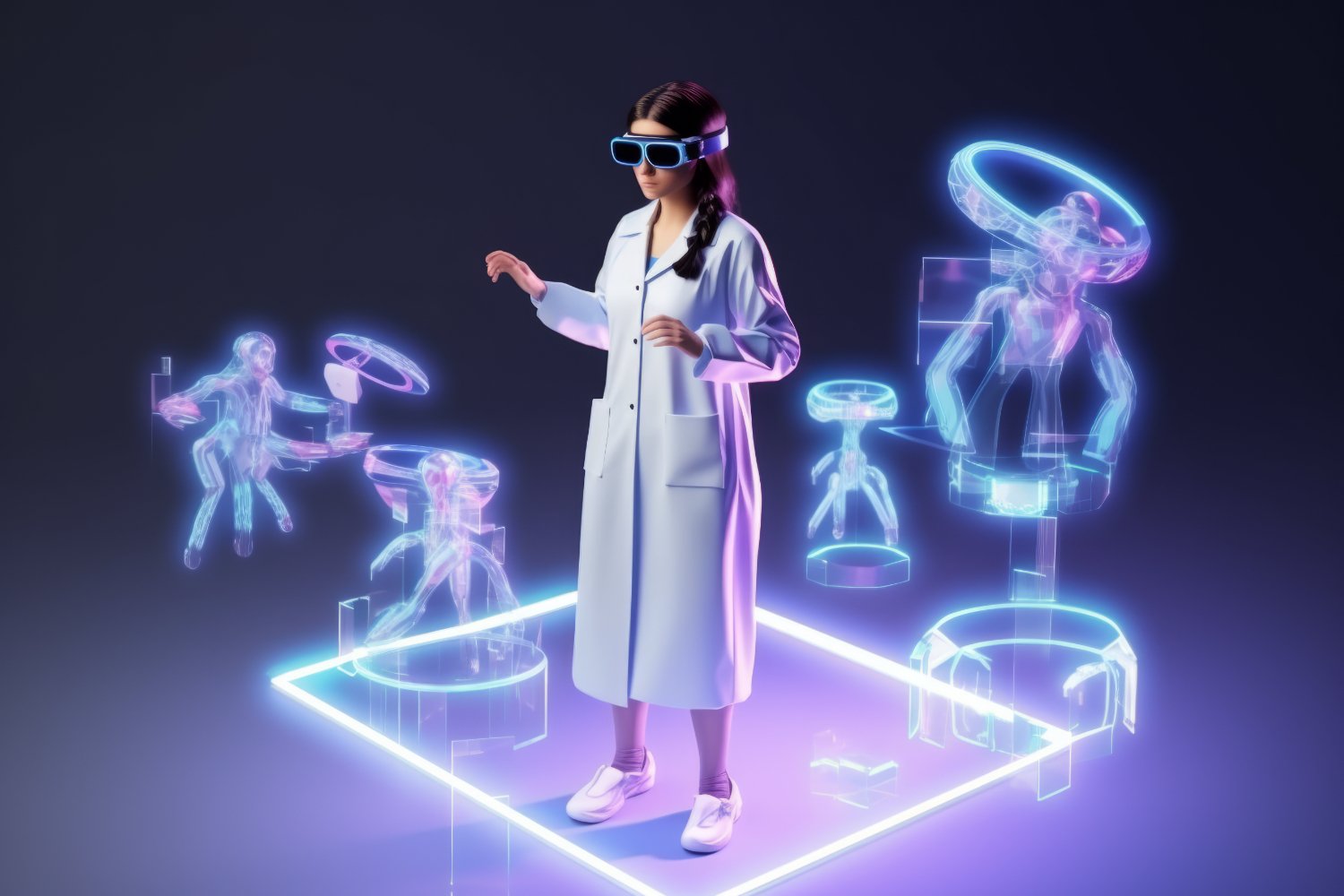
3D computer vision may combine with virtual reality to create lifelike brain simulations for research.

2. Tailored Treatments

AI systems will soon customise treatments based on a person’s unique brain structure.

3. Real-Time Insights

AI will provide real-time insights from brain imaging tools, helping manage diseases faster.

4. Education

3D brain models will play a key role in teaching medical students about brain structure and function.

Read more on AI Smartening the Education Industry

Advanced Imaging for Complex Neural Networks

3D computer vision has changed how we study the brain. Traditional imaging methods like CT scans offer flat views. 3D systems create layered, detailed images of the brain’s structure.

With computer vision algorithms, researchers better understand how neural connections work. Tools for brain analysis now find even small changes in brain structure, improving patient care.

Deep learning models help track neural activity and handle massive data accurately. The ability to reconstruct the brain in 3D is a big step forward in medical imaging.

Machine Learning Improves Brain Studies

Machine learning and 3D computer vision speed up and enhance brain research. Convolutional neural networks (CNNs) extract meaningful details from brain images. These models find patterns like tumours or unusual brain activity, allowing quick diagnosis.

Machine learning also helps create customised treatments. Analysing how individual brains respond to stimuli helps doctors adjust therapies to be more effective. This is especially helpful for diseases like Parkinson’s and Alzheimer’s.

Facial Recognition in Brain Research

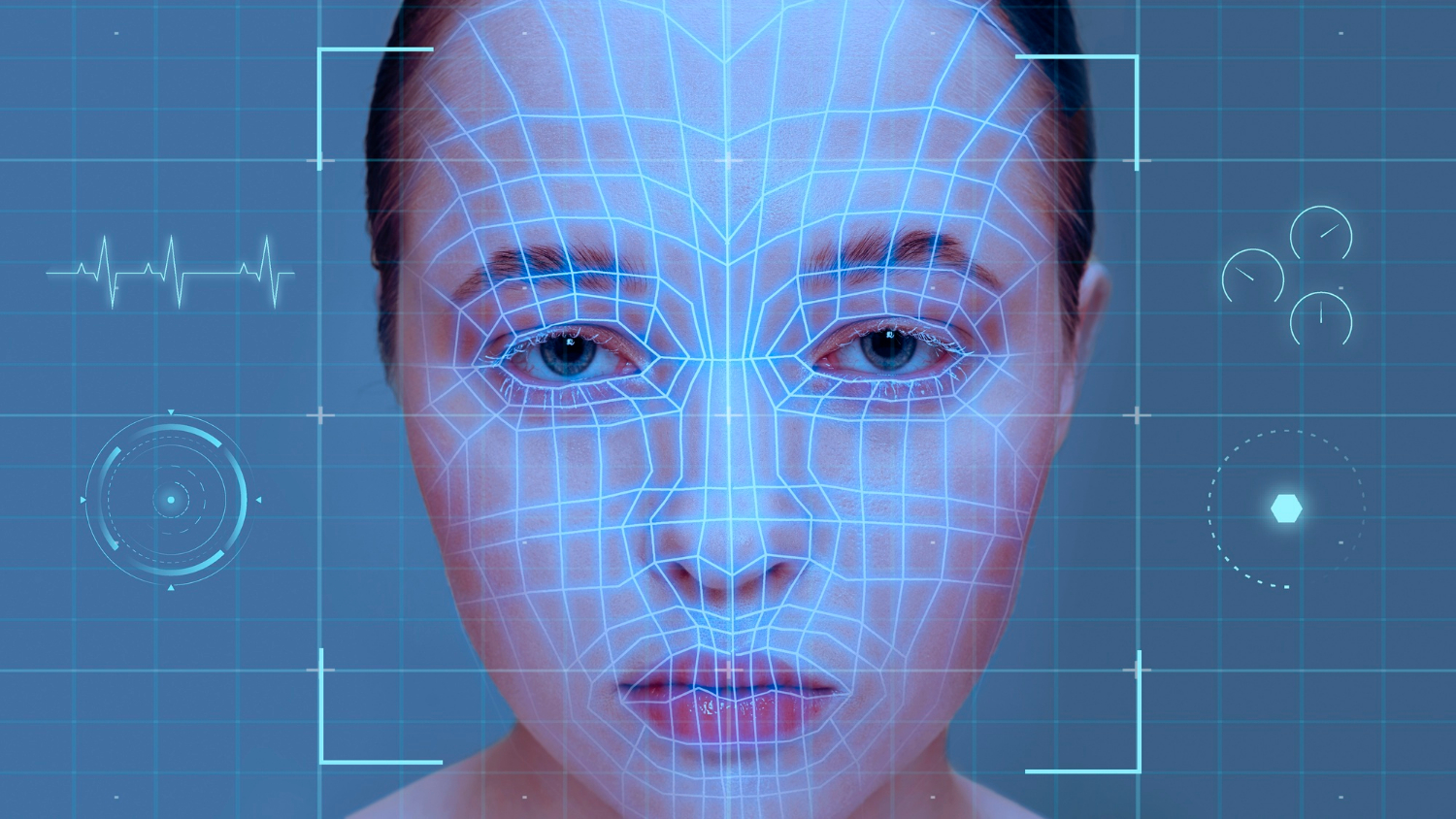
Facial recognition, a type of computer vision, helps study cognitive problems. It spots unusual facial expressions caused by brain injuries. Researchers connect these expressions to brain activity.

Combining facial recognition with 3D computer vision has improved studies of emotional disorders like autism. This technology makes it easier to link behaviour with brain function.

Read more: Facial Recognition in Computer Vision Explained

Real-Time Monitoring with Video Feeds

Video feeds let doctors observe brain activity live. For example, epilepsy researchers can study seizures as they happen. This provides key insights into the condition.

Advanced algorithms power these real-time systems. They predict trends in neural activity, allowing quick action during emergencies. Wearable devices with video feeds also let patients receive continuous monitoring at home, reducing hospital visits.

Object Detection for Safer Surgeries

Object detection in computer vision plays a big role in planning surgeries. It identifies key areas in the brain, like tumours or blood clots, improving surgical accuracy.

Surgeons use 3D brain maps to plan operations, avoiding critical areas like blood vessels. AI tools analyse past surgeries to suggest safer approaches, reducing risks during procedures.

Applications of Computer Vision in Brain Studies

Computer vision helps in many areas of brain research. It maps how neural connections change over time, aiding the study of brain flexibility.

It also improves mental health diagnosis. Systems analyse facial expressions and behaviour to find signs of depression or anxiety. These signs are linked to brain activity for a complete picture of mental health.

Virtual reality and 3D computer vision simulate brain conditions for education. Medical students use these tools to learn about complex brain networks.

Deep Learning Models for Brain Analysis

Deep learning models handle complex brain data that older methods cannot. CNNs study spatial features in scans, while other models focus on brain waves. These tools improve the accuracy of brain studies.

Generative models create synthetic data, simulating brain activity in different conditions. Transfer learning lets models trained on one dataset work for another, making them versatile. These methods optimise brain analysis even with limited data.

The Evolution of Brain Imaging Techniques

Traditional methods of brain imaging provided limited views of brain structures. Tools like CT scans and early MRIs only produced two-dimensional images. While useful, these images did not capture the full complexity of the brain’s network. The arrival of 3D computer vision changed this.

3D computer vision gives researchers detailed, multi-layered images of the brain. This innovation has redefined brain analysis by providing clearer and more accurate visuals. Today, researchers use it to map neural connections and detect subtle changes in brain structure. This progress is critical for early detection and improved treatment outcomes in various conditions.

Expanding the Role of Machine Learning

Machine learning continues to enhance 3D computer vision applications in brain analysis. In earlier stages, manual methods were used to examine brain scans. These were time-consuming and often prone to human error.

Machine learning automates this process. It helps computers identify patterns in images and videos quickly and accurately.

One key example is tumour detection. Machine learning models trained on brain imaging datasets can now recognise tumours within seconds. These models analyse vast amounts of data, spotting irregularities that even experienced doctors might miss. By speeding up the diagnostic process, machine learning improves patient care.

Additionally, machine learning helps to personalise medical treatment. Algorithms study how a patient’s brain reacts to certain therapies. Doctors then use this information to design treatments that suit each individual’s needs. This approach has shown promise, especially for conditions like epilepsy and stroke recovery.

Cognitive Research and Brain Function

Computer vision technology has become a cornerstone in cognitive research. Scientists use it to understand how the brain processes information. For instance, they analyse video feeds of brain activity while a person completes tasks. This helps researchers understand how different parts of the brain communicate and respond to stimuli.

Functional MRI (fMRI) is a powerful tool in this area. It measures brain activity by detecting changes in blood flow. When combined with computer vision algorithms, fMRI scans provide detailed insights into cognitive functions. This helps scientists study conditions like memory loss and attention disorders.

Another exciting development is using computer vision to track brain activity in real time. By studying images and videos of neural activity, researchers can understand how the brain reacts to stress, fatigue, or learning new skills. This real-time tracking is essential for designing strategies to improve brain health and performance.

The Impact on Mental Health Treatment

Mental health issues are among the most pressing challenges today. Computer vision technology offers new ways to address these problems. By analysing facial expressions and other behavioural cues, it identifies signs of mental health conditions. For example, subtle changes in facial movements can indicate depression or anxiety.

Computer vision systems also help therapists monitor patient progress. Video feeds of therapy sessions allow AI systems to assess improvements over time. This data helps mental health professionals adjust their methods, ensuring that treatments are effective.

Another breakthrough is wearable devices equipped with computer vision capabilities. These devices monitor brain activity and provide insights into a person’s mental state. This technology is particularly useful for tracking chronic conditions like post-traumatic stress disorder (PTSD). Patients receive continuous care without needing frequent clinic visits.

Expanding Applications in Neuroplasticity

Neuroplasticity, the brain’s ability to change and adapt, is a growing field of research. Computer vision technology plays a critical role in studying this phenomenon. By analysing images and videos of brain activity, researchers observe how neural connections form and evolve.

This understanding has practical applications. For example, in stroke rehabilitation, computer vision systems track the brain’s recovery process. They help doctors identify which areas of the brain regain function and which require further intervention. This enables more targeted therapy, improving recovery outcomes.

Virtual Reality and Immersive Simulations

The integration of 3D computer vision with virtual reality (VR) opens new possibilities for brain research. Researchers create immersive simulations of brain activity, allowing them to study neural responses in controlled environments. These simulations provide valuable data for understanding complex conditions like schizophrenia.

Medical training also benefits from this combination. Students use VR to explore 3D brain models. They interact with detailed images and videos of neural structures, enhancing their understanding of brain anatomy. This hands-on approach improves learning outcomes and prepares students for real-world challenges.

Read more: Examples of VR in Healthcare Transforming Treatment

Object Detection Beyond Surgery

Object detection is not limited to surgical planning. Researchers use this technology to study the brain’s response to various stimuli. For example, they analyse how specific objects or environments trigger neural activity. This data is crucial for understanding sensory processing and decision-making.

In educational settings, object detection helps design better learning tools. By studying how the brain reacts to different teaching methods, educators develop strategies that cater to individual learning styles. This application has the potential to improve education for students with learning disabilities.

Remote Monitoring and Patient Care

Remote patient monitoring is gaining popularity, thanks to advancements in computer vision. Wearable devices equipped with video feeds provide doctors with real-time updates on a patient’s brain activity. This is particularly useful for patients with chronic conditions who cannot visit clinics regularly.

These devices also alert healthcare providers to emergencies. For instance, they can detect early signs of a seizure or stroke, allowing for immediate intervention. This proactive approach saves lives and reduces hospitalisation rates.

Ethical Considerations in Brain Imaging

The rapid development of brain imaging technology brings ethical challenges. Privacy remains a top concern. Large-scale data collection from brain scans requires strict safeguards to protect patient information. Developers must ensure that systems comply with legal and ethical standards.

Bias in AI algorithms is another issue. If models are trained on limited datasets, they may produce inaccurate results for diverse populations. Ensuring fairness and accuracy in AI systems is essential for equitable healthcare.

Finally, the potential misuse of brain imaging data raises concerns. Governments and organisations must establish regulations to prevent unethical applications, such as using brain data for surveillance.

Advancements in Optical Character Recognition (OCR)

Optical character recognition (OCR) has become an essential tool in brain analysis. It helps researchers label and organise large datasets. For example, OCR systems automatically identify and categorise neural pathways in brain scans. This reduces manual work and speeds up research.

OCR also improves collaboration among researchers. Standardised data labelling ensures that teams working in different locations can share findings easily. This global collaboration accelerates progress in brain research.

The Role of Artificial Intelligence in Imaging

AI systems continue to drive innovations in brain imaging. They handle tasks like image processing and analysing video feeds, making them indispensable in modern neuroscience. AI reduces the workload for doctors by automating repetitive tasks, allowing them to focus on patient care.

One promising development is predictive analytics. AI systems analyse past data to predict future brain activity trends. For example, they might forecast how a brain tumour will grow or how a patient’s brain will respond to treatment. These predictions help doctors plan more effective interventions.

Read more: Eat Right for Your Body with AI-Driven Nutritional and Supplement Guidance

The Road Ahead

The future of 3D computer vision in brain analysis looks promising. As technology advances, researchers and healthcare providers will access more powerful tools. These innovations will lead to earlier diagnoses, better treatments, and improved patient outcomes.

From neuroplasticity studies to mental health monitoring, computer vision systems will continue to transform neuroscience. By combining cutting-edge algorithms, deep learning models, and AI, this field is poised for even greater achievements.

How TechnoLynx Can Help

TechnoLynx builds advanced computer vision systems for healthcare. We create custom AI solutions to handle your brain imaging data effectively. Reach out to us to learn more about our services.

Conclusion

3D computer vision has transformed brain analysis. With advanced algorithms, deep learning models, and AI, this field provides faster, more accurate insights. From early diagnosis to surgery, its applications are vast. As technology improves, doctors and researchers will gain even better tools for brain analysis.

Continue reading: Computer Vision in a Painting: AI’s Artistic Future

Image credits: Freepik

Pharmaceutical Supply Chain: Where AI and Computer Vision Solve Visibility Gaps

Pharmaceutical Supply Chain: Where AI and Computer Vision Solve Visibility Gaps

10/05/2026

Pharma supply chains span API sourcing to patient delivery. AI addresses the serialisation, cold chain, and counterfeit detection gaps manual tracking.

Vision Systems for Manufacturing Quality Control: Inline vs Offline, Hardware and PLC Integration

Vision Systems for Manufacturing Quality Control: Inline vs Offline, Hardware and PLC Integration

10/05/2026

Industrial vision systems for manufacturing quality control: inline vs offline inspection, line-scan vs area cameras, PLC integration, and realistic.

AI Video Surveillance for Apartment Buildings: Analytics, Privacy Zones, and False Alarm Rates

AI Video Surveillance for Apartment Buildings: Analytics, Privacy Zones, and False Alarm Rates

9/05/2026

AI video surveillance for apartment buildings: access control integration, package detection, loitering alerts, privacy zones, and false alarm rates in.

Retail Shrinkage and Computer Vision: What CV Can and Cannot Detect

Retail Shrinkage and Computer Vision: What CV Can and Cannot Detect

9/05/2026

Retail shrinkage from theft, admin error, and vendor fraud: how CV systems address each, what they miss, and realistic shrinkage reduction numbers.

Object Detection Model Selection for Production: YOLO vs Transformers, Speed/Accuracy, and Deployment

Object Detection Model Selection for Production: YOLO vs Transformers, Speed/Accuracy, and Deployment

9/05/2026

Object detection model selection for production: YOLO variants vs detection transformers, speed/accuracy tradeoffs, edge vs cloud deployment, mAP vs.

Manufacturing Safety AI: Gun Detection and Threat Monitoring with Computer Vision

Manufacturing Safety AI: Gun Detection and Threat Monitoring with Computer Vision

9/05/2026

AI gun detection in manufacturing uses CV to identify weapons in camera feeds. What the technology detects, accuracy limits, and deployment considerations.

Machine Vision Image Sensor Selection: CCD vs CMOS, Resolution, and Illumination

Machine Vision Image Sensor Selection: CCD vs CMOS, Resolution, and Illumination

9/05/2026

How to select image sensors for machine vision: CCD vs CMOS tradeoffs, resolution, frame rate, pixel size, and illumination requirements by inspection.

Facial Recognition Cameras for Commercial Deployment: Matching, Enrollment, and Legal Framework

Facial Recognition Cameras for Commercial Deployment: Matching, Enrollment, and Legal Framework

9/05/2026

Commercial facial recognition deployments: enrollment management, 1:1 vs 1:N matching, false acceptance rates, consent requirements, and hardware.

Facial Detection Software: Open Source vs Commercial APIs, Accuracy, and Production Integration

Facial Detection Software: Open Source vs Commercial APIs, Accuracy, and Production Integration

8/05/2026

Facial detection software options: OpenCV, dlib, DeepFace vs commercial APIs, when to build vs buy, demographic accuracy, and production pipeline.

Face Detection Camera Systems: Resolution, Lighting, and Real-World False Positive Rates

Face Detection Camera Systems: Resolution, Lighting, and Real-World False Positive Rates

8/05/2026

Face detection camera prerequisites: resolution minimums, angle and lighting requirements, MTCNN vs RetinaFace vs MediaPipe, and real-world false positive.

Embedded Edge Devices for CV Deployment: Jetson vs Coral vs Hailo vs OAK-D

Embedded Edge Devices for CV Deployment: Jetson vs Coral vs Hailo vs OAK-D

8/05/2026

Embedded edge devices for CV: NVIDIA Jetson vs Coral TPU vs Hailo vs OAK-D — power, inference throughput, and model optimisation requirements compared.

Driveway CCTV Cameras with AI Detection: Vehicle Classification, Night Performance, and False Alarm Reduction

Driveway CCTV Cameras with AI Detection: Vehicle Classification, Night Performance, and False Alarm Reduction

8/05/2026

Driveway CCTV AI detection: vehicle vs person classification, IR vs starlight night performance, reducing animal and shadow false alarms, home automation.

Digital Shelf Monitoring with Computer Vision: What Retail AI Actually Detects

7/05/2026

Digital shelf monitoring uses CV to detect out-of-stocks, planogram compliance, and pricing errors. What systems detect and where accuracy drops.

Deep Learning for Image Processing in Production: Architecture Choices, Training, and Deployment

7/05/2026

Deep learning for image processing in production: CNN vs ViT tradeoffs, training data requirements, augmentation, deployment optimisation, and.

AI vs Real Face: Anti-Spoofing, Liveness Detection, and When Custom CV Models Are Necessary

7/05/2026

When synthetic faces defeat pretrained detectors: anti-spoofing challenges, liveness detection requirements, and when custom models are unavoidable.

AI-Based CCTV Monitoring Solutions: Automation vs Human Review and What Each Handles Well

7/05/2026

AI CCTV monitoring vs human monitoring: cost comparison, coverage capability, response time tradeoffs, and what AI handles well vs where human judgment is.

CCTV Face Recognition in Production: Why It Fails More Than Demos Suggest

7/05/2026

CCTV face recognition: resolution requirements, angle and lighting challenges, false positive rates, GDPR compliance, and why production performance lags.

AI-Enabled CCTV for Building Security: Analytics, Camera Placement, and Infrastructure

6/05/2026

AI CCTV for building security: intrusion detection, people counting, loitering analytics, camera placement strategy, and storage and bandwidth.

Best Wired CCTV Systems for AI Video Analytics: What Matters Beyond Resolution

6/05/2026

Wired CCTV for AI analytics needs more than resolution. Codec support, edge processing, and integration architecture decide analytics quality.

Automated Visual Inspection in Pharma: How CV Systems Replace Manual Quality Checks

6/05/2026

Automated visual inspection in pharma uses computer vision to detect defects in vials, syringes, and tablets — faster and more consistently than human.

Automated Visual Inspection Systems: Hardware, Model Selection, and False-Reject Rates

6/05/2026

Build automated visual inspection systems that work: hardware setup, model selection (classification vs detection vs segmentation), and managing.

Aseptic Manufacturing in Pharma: Process Control, Risks, and Where AI Fits

6/05/2026

Aseptic manufacturing prevents microbial contamination during sterile drug production. AI monitoring addresses the environmental control gaps humans miss.

4K Security Cameras and AI Analytics: When Higher Resolution Helps and When It Doesn't

6/05/2026

4K security cameras for AI analytics: bandwidth and storage costs, where higher resolution improves results, compression artifacts and AI accuracy.

Computer Vision in Pharmacy Retail: Inventory Tracking, Planogram Compliance, and Shrinkage Reduction

5/05/2026

CV in pharmacy retail addresses unique challenges: regulated product tracking, controlled substance security, and planogram compliance across thousands of SKUs.

Visual Inspection Equipment for Manufacturing QC: Where AI Adds Value and Where Rules Still Win

5/05/2026

AI-enhanced visual inspection replaces rule-based defect detection with learned representations — but requires validated training data matching production variability.

Facial Recognition in Video Surveillance: Why Lab Accuracy Doesn't Transfer to CCTV

5/05/2026

Facial recognition accuracy drops 10–40% between controlled enrollment conditions and production CCTV due to angle, lighting, and resolution.

Computer Vision Store Analytics: What Cameras Can Actually Measure in Retail

5/05/2026

Store analytics CV must distinguish 'detected' from 'measured with business-decision confidence.' Most deployments conflate the two.

AI in Pharmaceutical Supply Chains: Where Computer Vision and Predictive Analytics Deliver ROI

5/05/2026

Pharma supply chain AI delivers measurable ROI in three areas: serialisation verification, cold-chain anomaly prediction, and visual inspection automation.

Computer Vision for Retail Loss Prevention: What Works, What Breaks, and Why Scale Matters

5/05/2026

CV-based loss prevention must handle thousands of SKUs under variable lighting. Single-model approaches produce unactionable alert volumes at scale.

Intelligent Video Analytics: How Modern CCTV Systems Detect Behaviour Instead of Motion

4/05/2026

IVA shifts surveillance alerting from pixel-change detection to behaviour understanding. But only modular pipeline architectures deliver this in practice.

Cross-Platform TTS Inference Under Real-Time Constraints: ONNX and CoreML

1/05/2026

Cross-platform TTS to iOS, Android and browser stays consistent only if compression is decided at training time — distill once, export to ONNX.

Production Anomaly Detection in Video Data Pipelines: A Generative Approach

1/05/2026

Generative models trained on normal frames detect rare video anomalies without labelled anomaly data — reconstruction error is the score.

Designing Observable CV Pipelines for CCTV: Modular Architecture for Security Operations

30/04/2026

Operators stop trusting CV alerts when the pipeline is opaque. Observable, modular CCTV pipelines decompose decisions into auditable stages.

The Unknown-Object Loop: Designing Retail CV Systems That Improve Operationally

30/04/2026

Retail CV deployments meet products outside the training catalogue. The architectural choice: silent misclassification or a designed review loop.

Why Client-Side ML Projects Miss Latency Targets Before Deployment

29/04/2026

Client-side ML misses latency targets when the device capability baseline is set after architecture selection rather than before. Sequence matters.

Building a Production SKU Recognition System That Degrades Gracefully

29/04/2026

Graceful degradation in production SKU recognition is an architectural property: predictable automation rate as the catalogue grows.

Why AI Video Surveillance Generates False Alarms — And What Pipeline Architecture Reduces Them

28/04/2026

Surveillance false alarms are an architecture problem, not a sensitivity setting. Modular pipelines reduce them; monolithic ones cannot.

Why Computer Vision Fails at Retail Scale: The Compound Failure Class

28/04/2026

CV models that pass accuracy tests at 500 SKUs fail in production above 1,000 — not from one cause but from four simultaneous failure axes.

When to Build a Custom Computer Vision Model vs Use an Off-the-Shelf Solution

26/04/2026

Custom CV models are justified when the domain is specialised and off-the-shelf accuracy is insufficient. Otherwise, customisation adds waste.

How to Deploy Computer Vision Models on Edge Devices

25/04/2026

Edge CV trades accuracy for latency and bandwidth savings. Quantisation, model selection, and hardware matching determine whether the trade-off works.

What ROI Computer Vision Actually Delivers in Retail

24/04/2026

Retail CV ROI comes from shrinkage reduction, planogram compliance, and checkout automation — not AI dashboards. Measure what changes operationally.

Data Quality Problems That Cause Computer Vision Systems to Degrade After Deployment

23/04/2026

CV system degradation after deployment is usually a data problem. Annotation inconsistency, domain shift, and data drift are the structural causes.

How Computer Vision Replaces Manual Visual Inspection in Pharmaceutical Quality Control

23/04/2026

CV-based pharma QC inspection is a production engineering problem, not a model accuracy problem. It requires data, validation, and pipeline design.

How to Architect a Modular Computer Vision Pipeline for Production Reliability

22/04/2026

A production CV pipeline is a system architecture problem, not a model accuracy problem. Modular design enables debugging and component-level maintenance.

Machine Vision vs Computer Vision: Choosing the Right Inspection Approach for Manufacturing

21/04/2026

Machine vision is deterministic and auditable. Computer vision is adaptive and generalisable. The choice depends on defect complexity, not preference.

Why Off-the-Shelf Computer Vision Models Fail in Production

20/04/2026

Off-the-shelf CV models degrade in production due to variable conditions, class imbalance, and throughput demands that benchmarks never test.

Cracking the Mystery of AI’s Black Box

4/02/2026

A guide to the AI black box problem, why it matters, how it affects real-world systems, and what organisations can do to manage it.

Smarter Checks for AI Detection Accuracy

2/02/2026

A clear guide to AI detectors, why they matter, how they relate to generative AI and modern writing, and how TechnoLynx supports responsible and high‑quality content practices.

Back See Blogs
arrow icon